The Euro is holding steady just below the 1.1600 level amid a somewhat stronger US Dollar. Renewed US threats to restrict software exports to China have reignited concerns over a potential trade conflict, keeping the market cautious. Despite this, overall market volatility remains subdued as investors focus on upcoming key data, including US CPI figures and Federal Reserve commentary.
EUR/USD Moves Lower Amid Trade Tensions
During Thursday’s European session, EUR/USD drifted moderately lower, currently trading around 1.1590, down from the previous day’s high of 1.1620. The US Dollar is supported by safe-haven demand following news of possible US restrictions on software exports to China, which have intensified worries about escalating trade tensions between the world’s two largest economies.
However, market reaction has been relatively muted, as investors remain hopeful that a planned meeting between US President Donald Trump and Chinese President Xi Jinping will extend the ongoing trade truce and prevent the situation from worsening.
Focus on Economic Data and Fed Speeches
Thursday’s economic calendar features speeches by European Central Bank (ECB) Executive Board member Philip Lane and the release of the Eurozone Consumer Confidence index, which will draw market attention. In the US, aside from ongoing government shutdown impacts limiting data flow, the Chicago and Kansas Federal Reserve National Activity Indexes and speeches from Fed governors Michelle Bowman and Michael Barr will provide additional guidance for US Dollar trading.
US Dollar Gains on Trade Concerns and Treasury Assurances
The US Dollar regained some strength after the White House indicated potential restrictions on a broad range of software products in response to China’s limits on rare earth exports. US Treasury Secretary Scott Bessent sought to ease concerns by emphasizing ongoing negotiations with Chinese officials conducted in a spirit of “good intentions” and “great respect.” President Trump also downplayed the impact of China’s export controls and expressed confidence in reaching agreements with China on multiple fronts, including trade, nuclear disarmament, and the conflict in Ukraine.
ECB Comments and Upcoming US CPI Report
ECB Vice President Luis de Guindos highlighted balanced inflation risks in the Eurozone and reaffirmed that current interest rates remain appropriate, following positive consumer price trends.
Attention will soon shift to Friday’s delayed release of the US Consumer Price Index (CPI) for September, expected to show headline inflation rising to 3.1% year-on-year from August’s 2.9%, while core inflation is forecast to hold steady at 3.1%. These figures are unlikely to derail market expectations of a Federal Reserve rate cut later this month.
Technical Analysis: EUR/USD Faces Key Support and Resistance
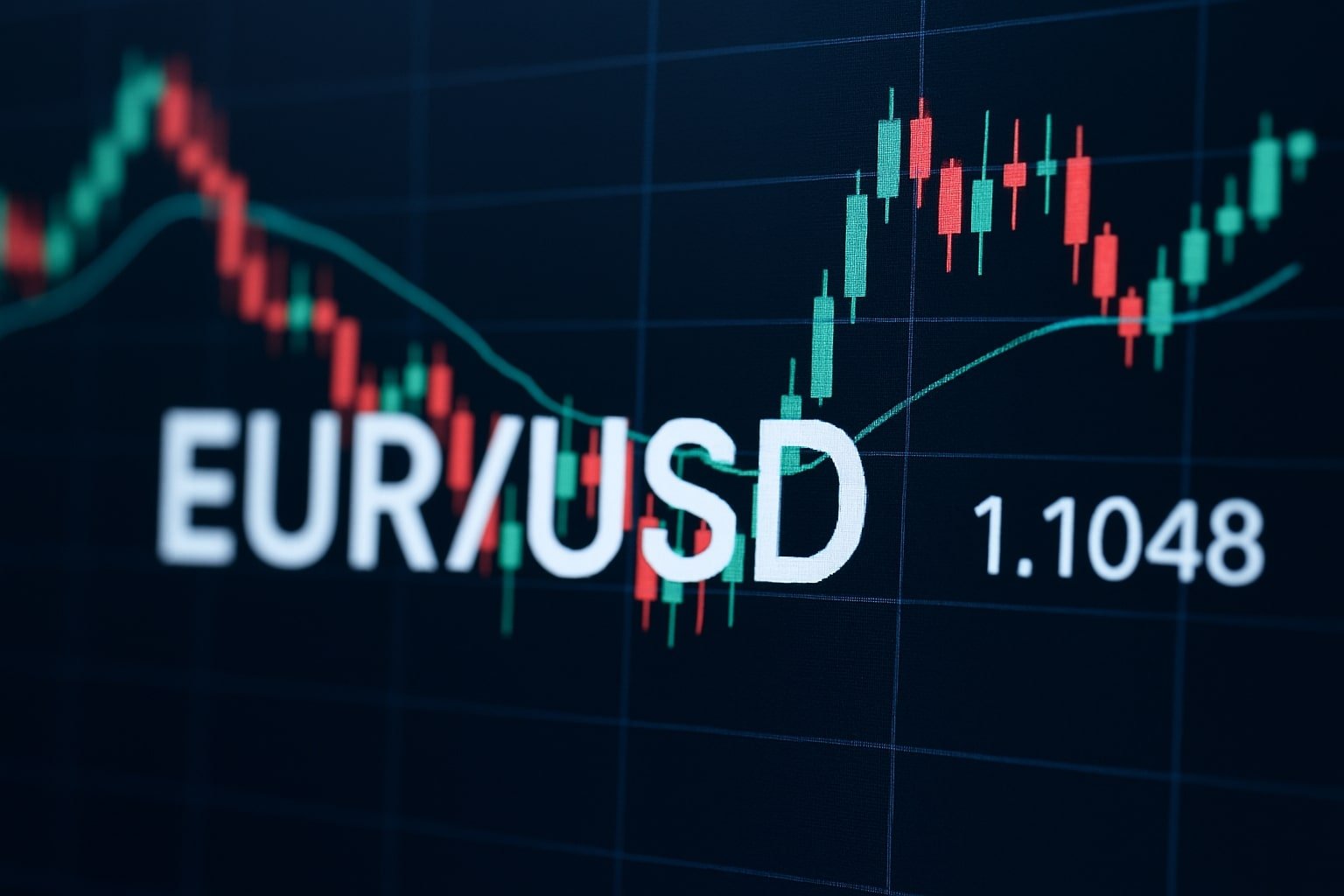
EUR/USD continues its bearish trend, with upside attempts met by selling pressure. The pair is capped near 1.1620 but remains above key support around 1.1580—the low from Wednesday’s session. The Relative Strength Index (RSI) sits below 50, signaling negative momentum, while the MACD indicator remains bearish.
A break below 1.1580 could bring the October 9 and 14 lows near 1.1545 into focus, followed by the channel bottom around 1.1455. On the upside, resistance levels to watch include Wednesday’s high of 1.1620, the descending channel top near 1.1625, the October 21 high at 1.1650, and the October 17 peak at 1.1728.
Key Economic Indicators to Watch:
- ECB’s Philip Lane Speech (Oct 23, 13:30 CET): ECB Chief Economist and Executive Board member Philip Lane is expected to share insights on monetary policy and economic outlook.
- Eurozone Consumer Confidence (Oct 23, 14:00 CET): This monthly index gauges consumer sentiment and its impact on economic activity. The latest forecast expects a slight dip to -15 from -14.9.
- Fed Governor Michelle Bowman Speech (Oct 23, 14:00 CET): Insights from Bowman, a key Fed official, will be closely followed for clues on US monetary policy.