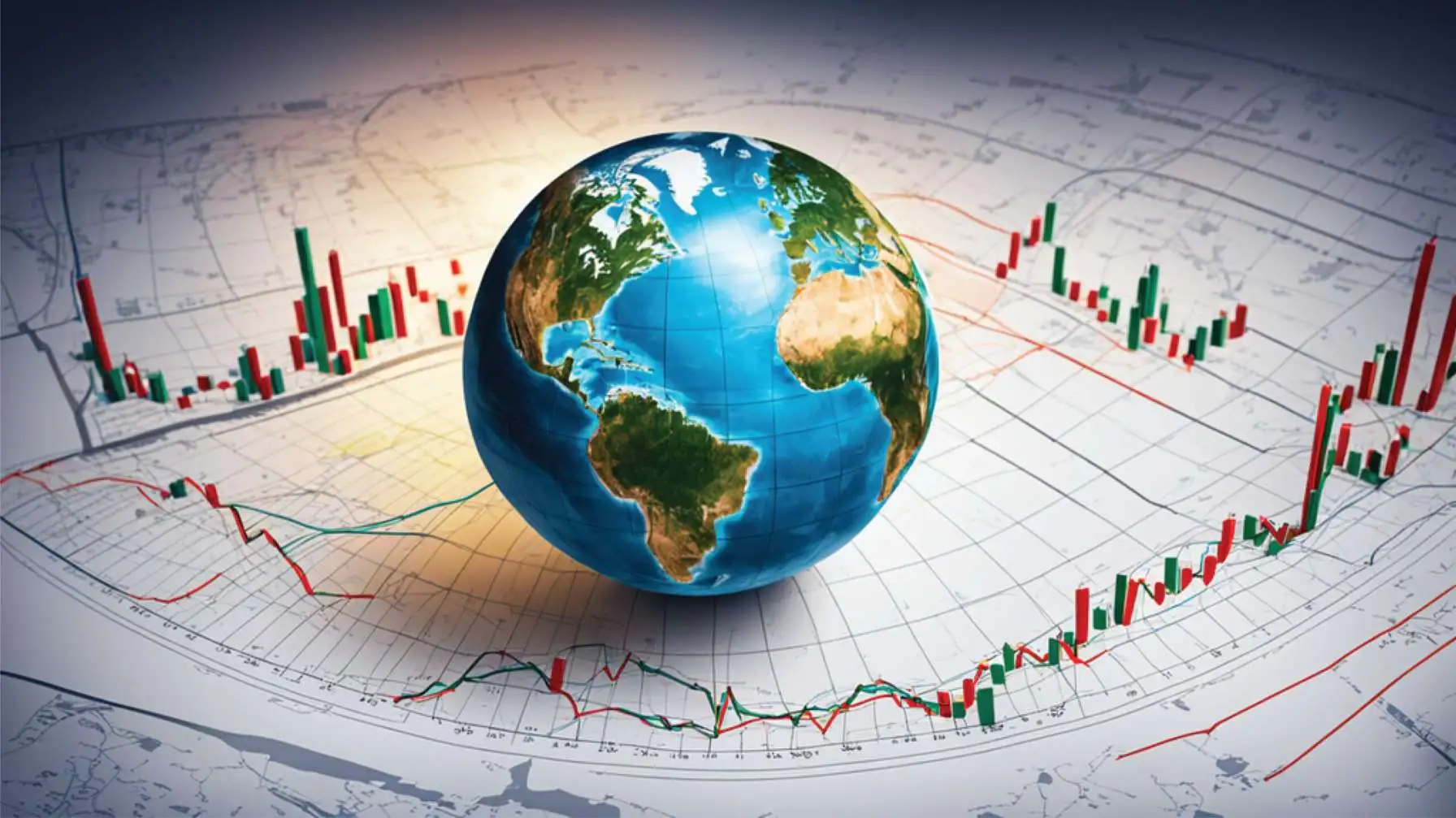
If you’ve ever traveled abroad or bought something online from another country, you’ve probably seen how exchange rates change from day to day. But have you ever wondered why they change? One major reason is geopolitical events. These events can shake up the entire financial world—and the foreign exchange market (Forex) is no exception.
In this article, we’ll break down how geopolitics affects Forex in a way that’s clear, fun to read, and easy to understand—even if you’re not a finance expert!
🌍 What Is the Forex Market?
Before diving into geopolitics, let’s quickly understand what the Forex market is.
Forex (short for “foreign exchange”) is where currencies are traded. It’s the largest financial market in the world, with over $7 trillion traded daily! Traders buy and sell currencies like the USD, EUR, GBP, JPY, and more, hoping to profit from changes in exchange rates.
So what causes those changes? A lot of things—but geopolitical events are among the most powerful.
⚔️ What Are Geopolitical Events?
Geopolitical events are major global happenings that involve politics, governments, and international relations. Some examples include:
- Wars and military conflicts
- Political instability or elections
- Trade agreements or disputes
- Sanctions between countries
- Terrorist attacks
- Diplomatic relations (or breakdowns)
These events can create uncertainty, and markets hate uncertainty. Investors and traders react quickly—sometimes emotionally—to such news, and that’s where Forex gets interesting.
💥 Real-Life Examples: When Politics Shook the Market
Let’s look at a few famous cases to see how geopolitics caused Forex volatility.
Russia-Ukraine War (2022-Present)
When Russia invaded Ukraine, it caused global panic. The Russian ruble dropped sharply, while “safe haven” currencies like the US dollar (USD) and Swiss franc (CHF) strengthened. Why? Investors fled risky assets and moved their money to safer countries.
Brexit (2016)
The UK’s decision to leave the EU created huge uncertainty. The British pound (GBP) plummeted overnight when the vote results came in. Even years later, negotiations and political instability around Brexit kept the pound under pressure.
US-China Trade War (2018–2020)
When the US and China started slapping tariffs on each other, global markets reacted. The Chinese yuan (CNY) weakened as trade tensions grew, and global investors bought more US dollars, strengthening the USD.
📉 How Do Traders React to Geopolitical Events?
Forex traders watch the news like hawks. The moment something big happens, they make moves:
- Flight to safety: Traders often move to “safe haven” currencies like the USD, CHF, or JPY during uncertain times.
- Risk-on/risk-off: In calmer times, traders take more risks. In crises, they become conservative and pull money out of riskier currencies.
- Speculation: Some traders try to predict what will happen next and buy/sell currencies ahead of time, causing more volatility.
🧠 Pro Tip: Not All News Is Bad News
- It’s important to know that not all geopolitical events cause chaos. Some create opportunities:
- Peace deals can boost confidence in a region.
- New trade agreements might strengthen a country’s currency.
- Election results (if they lead to stability or economic reform) can boost a nation’s currency.
- So it’s not just about war and conflict—it’s about how investors feel about what’s happening.
🔮 How Can You Prepare for Geopolitical Shocks in Forex?
If you’re a trader or just curious, here are a few tips:
- Stay informed: Follow credible news sources. Knowing what’s happening globally helps you anticipate moves.
- Use risk management: Set stop-losses and don’t risk more than you can afford to lose.
- Watch safe havens: In global turmoil, expect currencies like the USD, JPY, and CHF to strengthen.
- Avoid emotional trading: Don’t panic-buy or sell based on headlines. Think before you act.
✍️ Final Thoughts
The Forex market is deeply connected to what’s happening in the world. Geopolitical events—whether wars, elections, or trade disputes—can send currencies soaring or crashing within minutes.
Understanding these events helps you become a smarter observer of the world—and a better trader, if you’re into that. Next time you hear breaking news, take a moment to think: What might this mean for the currency markets?
After all, in Forex, the world is your trading floor.