Whether you’re a complete beginner or a seasoned trader, one tool you cannot ignore in the forex world is the economic calendar. It’s like the newsroom of the markets — packed with the key events that move currency prices, sometimes in a matter of seconds.
But if you’re staring at a forex economic calendar and thinking “what does all this mean?” — don’t worry. This article will walk you through how to read a forex economic calendar, step by step, in a simple and enjoyable way.
📌 What is a Forex Economic Calendar?
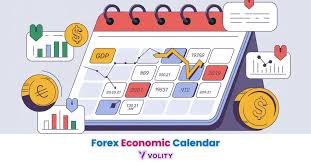
A forex economic calendar is a schedule of major economic events, data releases, and central bank decisions that impact currencies. Think of it as your roadmap to market-moving events.
Events like:
- U.S. Non-Farm Payrolls (NFP)
- Interest rate decisions by the Federal Reserve (Fed), European Central Bank (ECB), etc.
- Inflation data (CPI)
- GDP growth reports
- Trade balance figures
These reports often cause volatility in currency pairs — and traders use the calendar to anticipate moves, avoid surprises, or plan short-term trades.
🔍 What Does an Economic Calendar Look Like?
Here’s what you’ll typically see in a forex calendar (you can find these on websites like Forex Factory, Investing.com, or DailyFX):
| Date | Time | Currency | Event | Impact | Actual | Forecast | Previous |
|---|
Let’s break this down:
🕒 Date and Time
- Tells you when the data will be released.
- Always check that the time zone matches your local time or your broker’s server time.
✅ Pro Tip: Use economic calendars that auto-adjust to your time zone.
💱 Currency
- Shows which currency is likely to be affected.
- For example, if the event is related to the US economy, the currency listed will be USD.
📣 Event Name
- Describes what the event is — e.g., “US Non-Farm Payrolls”, “ECB Interest Rate Decision”, “UK Inflation Rate”.
Some of the most impactful events:
- NFP (Non-Farm Payrolls) – Affects USD massively
- CPI (Consumer Price Index) – Measures inflation
- Interest Rate Decisions – From central banks
- PMI (Purchasing Managers’ Index) – Indicates economic health
- GDP – The big picture of economic growth
📊 Impact / Volatility
- Usually shown with colored bars or symbols:
- 🔴 Red = High impact (expect big moves!)
- 🟠 Orange = Medium impact
- 🟢 Green = Low impact
This helps you quickly scan for high-impact events worth watching or avoiding, depending on your strategy.
📈 Actual, Forecast, Previous
This is the heart of the calendar.
| Column | What It Means |
|---|---|
| Actual | The number that just came out (real result) |
| Forecast | The expected number, based on analysts’ estimates |
| Previous | The figure from the previous release |
Here’s how to interpret it:
➡️ If Actual > Forecast, it’s often bullish for that currency.
➡️ If Actual < Forecast, it’s often bearish.
Example:
- Event: US Non-Farm Payrolls
- Forecast: 200K
- Actual: 250K
This is stronger than expected – typically bullish for the USD, meaning pairs like EUR/USD may fall.
🤔 How Traders Use the Economic Calendar
1. Avoid Trading During High-Impact News (if you’re cautious)
Volatility spikes during major events. Many traders avoid opening trades during these times unless they’re experienced in trading news.
2. Plan Entries & Exits
If a high-impact event is approaching, you might:
- Close positions before the release
- Tighten stop-losses
- Wait for the news to drop before entering a trade
3. Trade the News
Advanced traders use the economic calendar to:
- Anticipate surprise moves
- React quickly when data deviates from forecasts
⚠️ Warning: News trading can be rewarding, but also risky. Spreads widen, and prices may whipsaw.
🧭 Quick Tips for Reading a Forex Calendar
- Filter by currency: Only show currencies you trade (e.g., USD, EUR, GBP).
- Focus on red-flag events: These are the ones that move the market.
- Know what matters: Not every event is worth trading. Learn which reports matter most for each currency.
- Be aware of correlations: For example, strong oil data might impact CAD, as Canada is a major oil exporter.
- Check revisions: Sometimes previous figures are revised up or down — this can affect the market as much as the current number.
🛠️ Recommended Economic Calendars
Here are a few great, free tools:
✅ Final Thoughts
A forex economic calendar isn’t just for economists — it’s an essential trading tool. Whether you’re a short-term day trader or a swing trader, being aware of key events can protect your capital and uncover trading opportunities.
Learn to check it daily, understand what each release means, and start connecting economic data with price action. With practice, it becomes second nature — and you’ll wonder how you ever traded without it.
If you enjoyed this guide, feel free to explore our other beginner articles or bookmark this page for your daily trading prep!